Keep me updated!
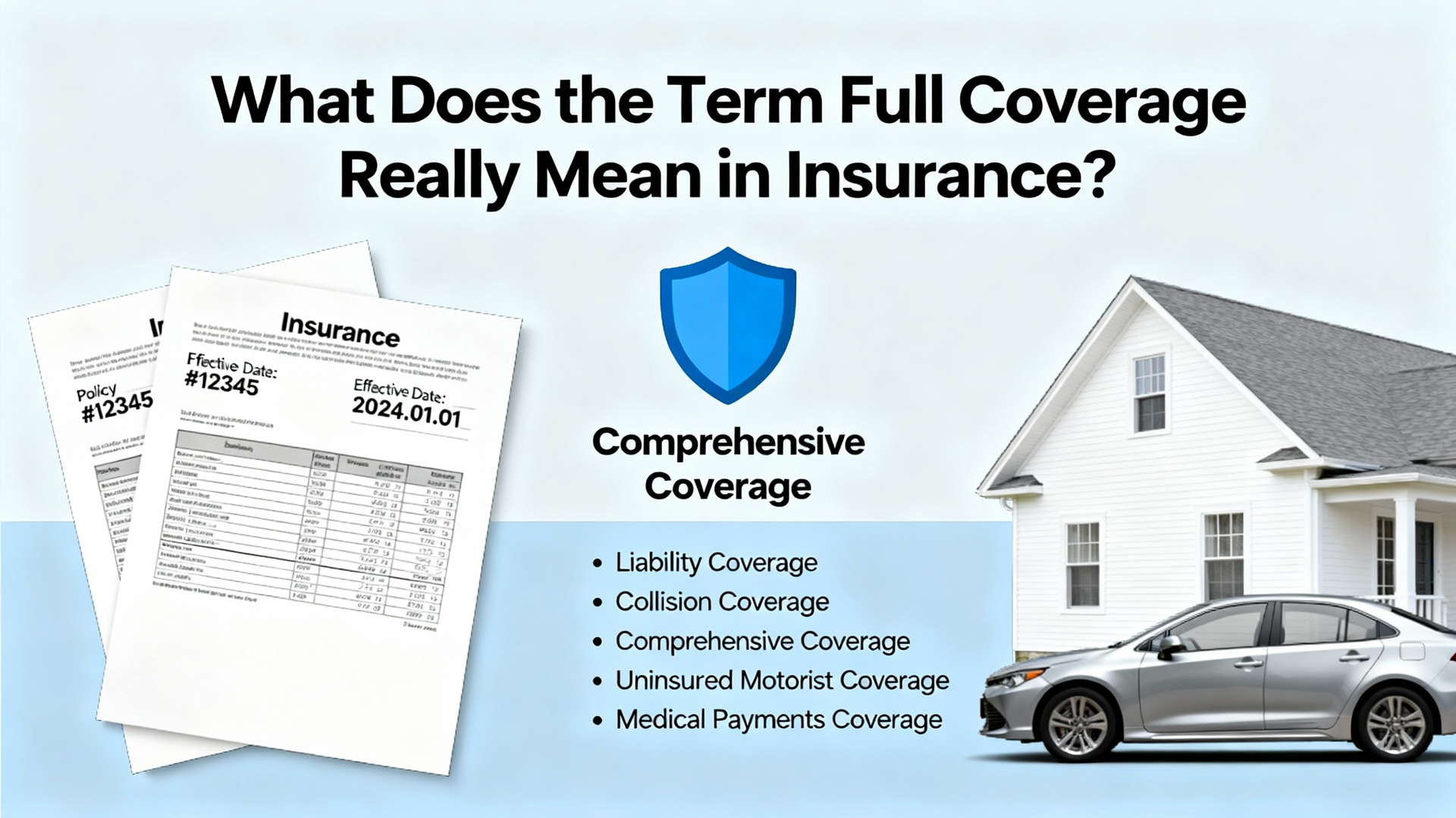
Insurance policies aren’t one-size-fits-all, even though many people assume they have “full coverage.” Whether you carry auto insurance, home insurance or any other type of policy, that phrase can lead to major misunderstandings about what your insurer will actually pay for. Here’s why “full coverage” is a myth — and how to make sure you’re getting the protection you really want.
Why “Full Coverage” Is Misleading
When you buy insurance, you face countless choices: deductibles, limits, optional coverages, exclusions and more. Often, people focus more on what they want to pay than what they’re actually buying, which leads them to default to the vague request for “full coverage.”
The problem? No policy covers everything. Insurers define coverage very specifically, and your idea of “full coverage” may be wildly different from theirs. To see why, consider a simple analogy.
A Drive-Through Analogy for Insurance Coverage
Imagine showing up at a drive-through after a long day and telling the voice on the speaker, “I’m hungry. I want food so I’m not hungry anymore.”
That’s not enough information to give you what you want. They need details:
• What kind of food?
• How much?
• Do you want a drink?
• Do you want enough to hold you over for an hour — or all day?
Similarly, insurance requires specifics. How many ways can an insurer protect you? How much protection do you actually need? What risks matter most to you? Without detail, you’re leaving it up to someone else to guess — and the consequences of guessing wrong are far more serious than receiving the wrong fast-food order.
Why “Full Coverage” Can Lead to Gaps
If you ask for “full coverage,” you may think you’re protected for every possible scenario. Insurers, however, must follow their policy language — and if the wording doesn’t include what you assumed, you may discover a painful gap only after a loss.
There is no universal definition of “full coverage,” and relying on the phrase can leave you exposed.
Keep me updated!
How to Ask for the Right Insurance Coverage
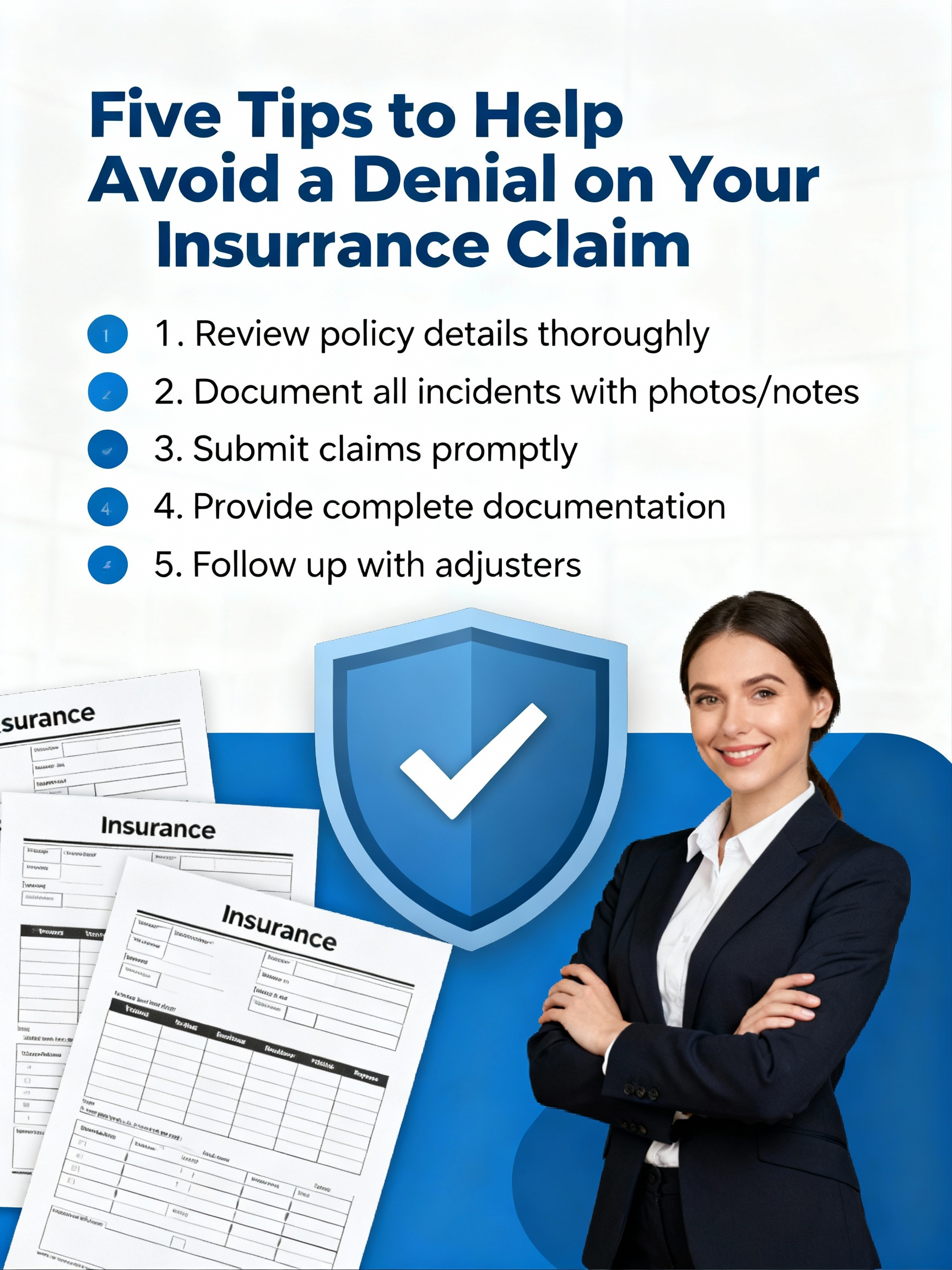
To make sure you’re getting protection that actually matches your needs, be specific. Here are five tips that will help you “order” your insurance policy correctly — without leaving it up to chance.
Provide Detailed Information About What You’re Insuring
Don’t simply tell your insurer you want to insure “my car” or “my home.” They need precise details such as:
• Vehicle make, model and VIN
• Your driver’s license
• Property specifics
• Special features, upgrades or risks
The more accurate the information, the more accurate the proposal.
Clarify What Types of Protection Matter Most
Do you want protection for fire? Theft? Water damage? Collision? Liability?
Different coverages protect against different risks, and not all are included automatically. Spell out the risks you’re concerned about so your insurer can match the policy to your expectations.
Don’t Base a New Policy on an Old One
Many people assume their previous insurer set things up correctly — and simply copy the same limits and deductibles forward. That’s a mistake. A past poor decision can follow you indefinitely.
Ask for a fresh, apples-to-apples comparison based on your current needs.
Identify What Isn’t Important to You
If your main priority is liability protection, say so. Liability coverage can range from minimal limits to tens of millions of dollars. Being clear about your priorities helps your agent or broker avoid wasting money on coverage you don’t value.
Know How Much Loss You Can Afford Personally
If you have savings, you may want a higher deductible. Handling smaller losses out of pocket often significantly reduces your premium.
The more risk you take on yourself, the less you pay the insurer — and the less you pay for your policy.
The Bottom Line: Only You Know What You Really Want
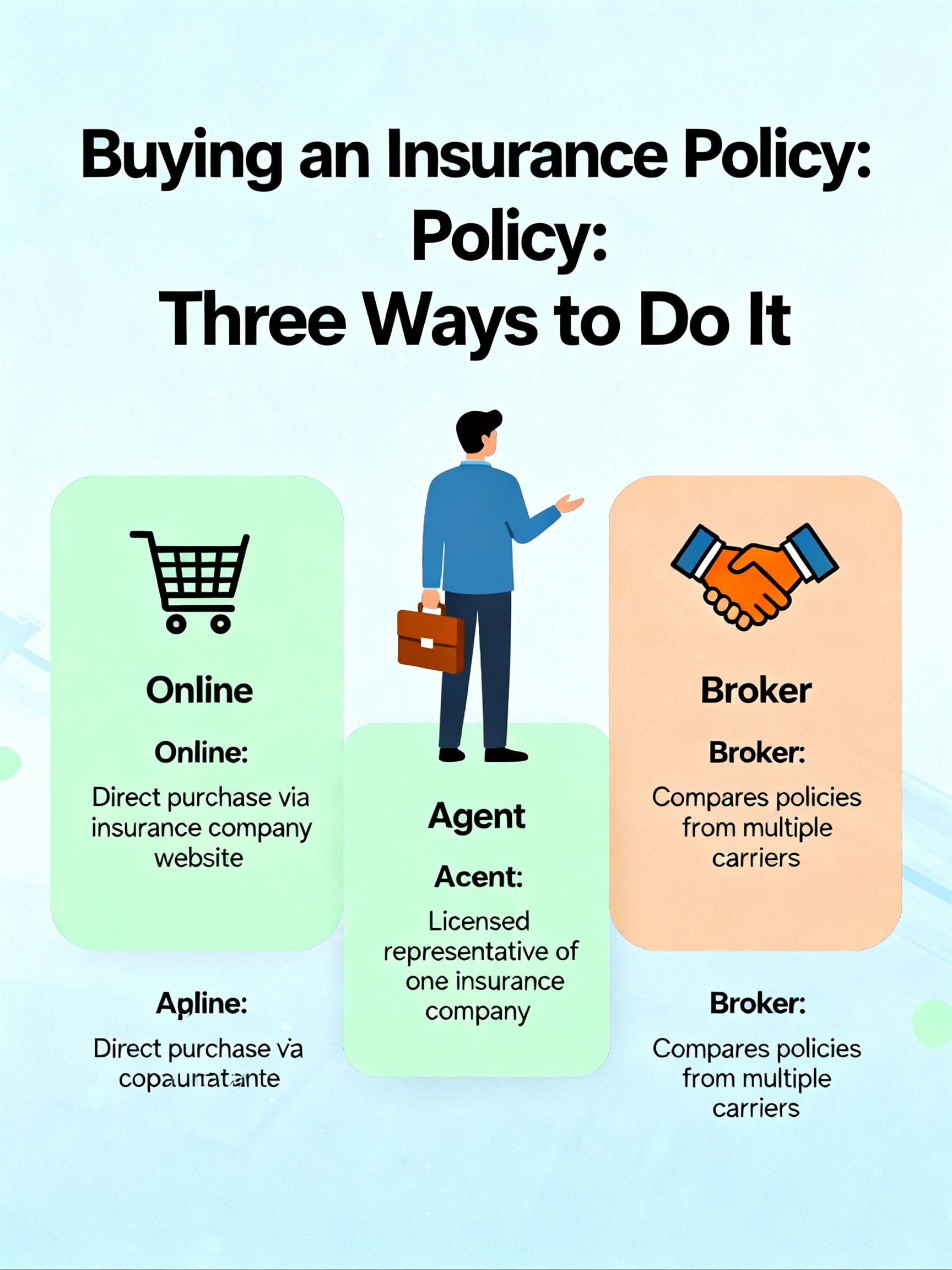
Insurance agents and brokers can help, but they can’t read your mind. The only way to get the right coverage is to communicate clearly about what you’re insuring, what protections you expect and what risks you’re willing to absorb.
There’s no such thing as full coverage — only the specific coverage you choose. Be intentional, be detailed and take the guesswork out of your protection.
Keep me updated!